INTRODUCTION
This blog explores various scriptural passages that uphold key Catholic doctrines and dogmas related to several important themes, including Ecclesiology (the study of the Church), Eschatology (the study of end times), Hamartiology (the study of sin), Mariology (the study of the Virgin Mary), Sacramentology (the study of the sacraments), and the relationship between Scripture and Tradition (the Deposit of Faith). Additionally, it addresses Soteriology (the study of salvation) and the Communion of Saints, highlighting how these themes are rooted in scripture and contribute to a deeper understanding of Catholic beliefs.
Equally important are the teachings of the Church Fathers, who played a crucial role in shaping early Christian doctrine and addressing theological challenges. Their writings provide invaluable insights into Scriptural interpretation, the nature of the Trinity, and the understanding of grace, sacraments, and the Church’s role in the world. By exploring these themes through study and reflection, believers can deepen their faith, engage with the richness of the Catholic tradition, and foster a more profound spiritual life. This blog will examine these critical aspects thematically, highlighting the relationship between Scripture and Tradition to enhance our understanding of the Catholic faith.
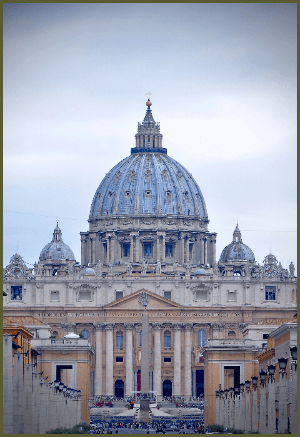
Ecclesiology is a branch of theology that examines the structures, authority, and nature of the Church, highlighting the primacy of Peter as the first Pope. This belief is foundational to the Catholic Church, establishing a vital line of apostolic succession that traces back to Christ’s appointment of Peter as the leader of His disciples. This apostolic succession is critical to maintaining the Church’s hierarchical structure, which is viewed as divinely ordained and essential to governance and the preservation of the faith.
The papal office, recognized as instituted by Christ Himself, plays a crucial role in ensuring doctrinal unity among the faithful. This unity is paramount for the Church’s mission of spreading the Gospel and ministering to its members. The belief in the infallibility of the Pope is particularly pronounced when he teaches ex cathedra, or from the chair of Peter, on matters of faith and morals. This dogma asserts that, under specific conditions, the Pope is preserved from error, thus underscoring the Church’s role as a vessel of divine truth.
The idea of papal infallibility, articulated at the First Vatican Council of 1869-1870, holds that the Holy Spirit guides the Church in profound matters of doctrine, ensuring that the Pope’s teachings reflect God’s truth. Consequently, this belief reinforces the Church’s credibility as the spiritual authority on the issues of faith, morality, and ethical guidance, ensuring it remains a stable foundation for the faithful amid an ever-changing world.
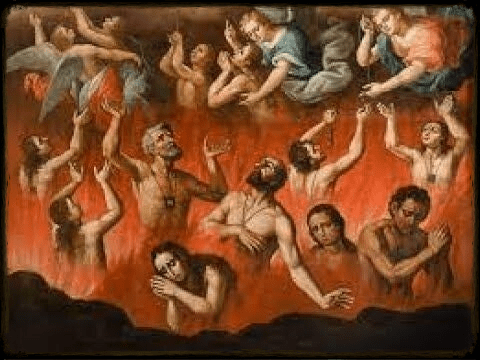
In the realm of Eschatology, Catholicism provides a comprehensive exploration of humanity’s ultimate destiny through its teachings on judgment, heaven, purgatory, and hell. This eschatological framework emphasizes the profound significance of moral choices in earthly life, as these choices have lasting implications for the soul in the afterlife.
According to Catholic doctrine, at the end of time—referred to as the Second Coming of Christ—each individual will undergo divine judgment. This event, often depicted as the “Final Judgment,” will determine one’s eternal fate based on their actions, beliefs, and adherence to God’s commandments. For the righteous, who strive to live according to the teachings of Jesus and the Church, there is the hopeful promise of eternal life in heaven, a state of perfect communion with God. Conversely, souls who have rejected God’s grace face the possibility of hell, a state of eternal separation from God, reserved for those who die in a state of unrepentant mortal sin. Between these two ultimate destinies lies purgatory, a temporary state for those who die in a state of grace but still need purification before entering heaven.
Catholic eschatology not only outlines these destinations but also serves as a moral compass, encouraging believers to live virtuously and in accordance with the Gospel. The Church’s teachings foster a sense of accountability, prompting Catholics to reflect on their actions and on their relationships with God and others as they await this final reckoning with profound hope and solemn responsibility.
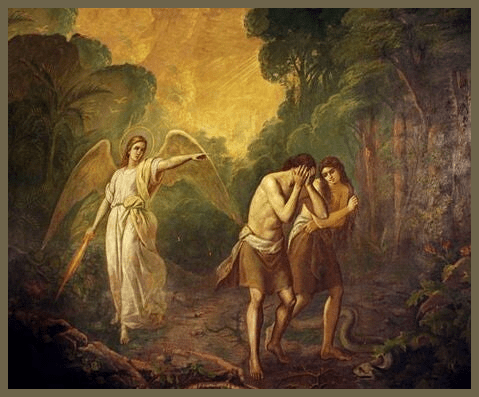
Hamartiology is the theological study of the nature of sin and temptation, exploring how these concepts interact with the divine gift of grace and the free will granted to humanity by God. This discipline examines not only the definition and implications of sin but also categorizes sin into two main types: mortal sins, which sever the individual’s relationship with God, and venial sins, which, although harmful, do not completely break this bond.
Furthermore, hamartiology emphasizes the vital importance of repentance, highlighting that acknowledging one’s sins is the first step toward restoration and reconciliation with God. This process of repentance is intricately linked to the transformative power of God’s grace, which is seen as a divine aid that enables individuals to overcome their moral failings.
The study also addresses the dynamic nature of human moral decision-making, illustrating how individuals confront and navigate various ethical dilemmas in their daily lives. By understanding the principles of hamartiology, the faithful are encouraged to seek inner strength and courage, thereby empowering them to consistently choose good over evil. Ultimately, this theological exploration calls believers to pursue a deeper journey of sanctification, striving to align their lives more closely with God’s will and to reflect His love and holiness in their actions.
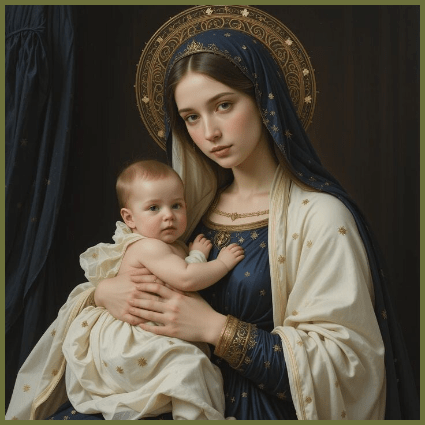
A distinctive aspect of Catholic devotion is Mariology, which encompasses the veneration of the Virgin Mary as the Mother of God—a title formally affirmed by the Council of Ephesus in 431 AD. This council played a pivotal role in defining the theological understanding of Mary in relation to Christ, underscoring her significance in the mystery of the Incarnation. The devotion to Mary reflects a profound reverence for her unique and vital role in salvation history, as she is revered not only for bearing Jesus Christ but also for her active participation in His early life and ministry.
Catholics believe in her intercessory power, often invoking her as “our advocate” who intercedes on their behalf before God. This belief is rooted in various passages of scripture, such as the Wedding at Cana, where Mary’s intercession prompted Jesus to perform His first miracle, thereby highlighting her influence within the community of believers. Furthermore, many Catholics engage in prayers, such as the Hail Mary and the Rosary, as acts of devotion that seek Mary’s guidance and support.
The veneration of Mary also fosters a deeply personal connection to the divine, allowing the faithful to approach God through a maternal figure who embodies compassion and understanding. The Church honors Mary through various feast days, dogmas—including the Assumption and the Immaculate Conception—and significant artistic representations that celebrate her life and virtues, further enriching the spiritual landscape of Catholicism.
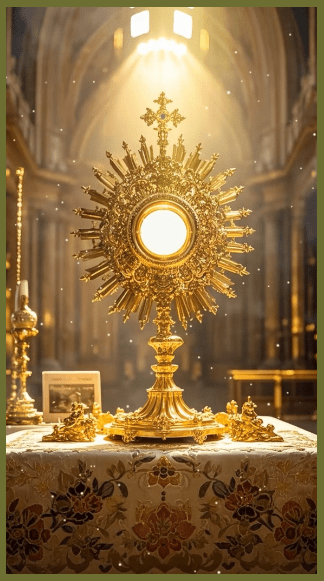
The significance of Sacramentology within Catholicism is paramount, as it highlights the sacraments as essential conduits of divine grace. The Church recognizes seven sacred rites—Baptism, Eucharist, Confirmation, Reconciliation (commonly known as Confession), Anointing of the Sick, Holy Orders, and Matrimony—each one established by Christ as both an outward sign and an instrument for imparting inward grace.
Baptism, the first sacrament, initiates an individual into the Christian faith, erases the guilt of original sin, and marks the individual as a member of the Church. The Eucharist, celebrated during Mass, represents the culmination of Christian life, where Catholics partake in the Body and Blood of Christ, fostering spiritual nourishment and unity with the entire body of believers. Confirmation strengthens the grace received at Baptism, empowering individuals to actively witness to their faith. Reconciliation provides a means for the faithful to seek forgiveness, restoring their relationship with God and the Church community through the sacrament of penance.
Holy Orders is reserved for the ordination of bishops, priests, and deacons, enabling them to serve the Church with the sacramental authority vested in them. Holy Matrimony elevates the covenant between a man and a woman to the level of a sacrament, emphasizing the grace present in marital love and family life. Lastly, the Anointing of the Sick offers spiritual and, if God wills, physical healing to those facing illness or the challenges of aging, reinforcing the belief in God’s presence in times of suffering. Together, these sacraments are essential not only for personal spiritual growth but also for fostering vibrant community life and deepening communion with God.
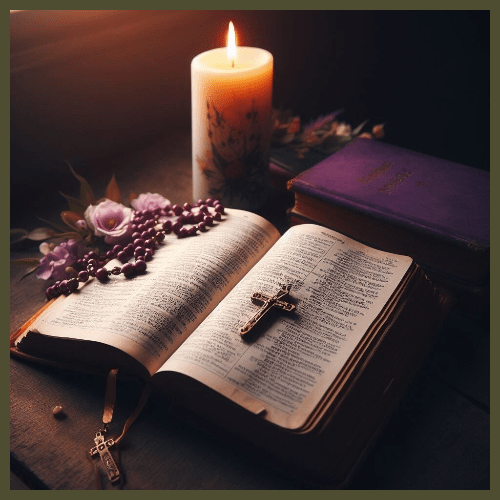
Central to Catholic teaching is the Deposit of Faith, which encompasses both sacred Scripture and the Church’s sacred Tradition. Sacred Scripture refers to the canonical texts of the Bible, which Catholics believe to be divinely inspired and fundamental to their faith. Sacred Tradition, on the other hand, includes the teachings and practices passed down through generations, reflecting the lived experiences of the faithful and the Church’s interpretation of scripture over time, guided by the Holy Spirit.
The Church contends that this dual foundation—scripture and tradition—ensures that its teachings remain firmly rooted in biblical revelation while also being enriched by centuries of theological reflection and pastoral practice. This living tradition is meticulously safeguarded by the Magisterium, the Church’s official teaching authority, composed of the Pope and bishops in communion with him. The Magisterium plays a vital role in clarifying doctrine, addressing contemporary moral and ethical issues, and guiding the faithful in understanding how to apply their beliefs in today’s dynamic cultural contexts. Through the interplay of Scripture, Tradition, and Magisterium (the Three Pillars), Catholics are offered a comprehensive framework for deepening their faith and navigating the complexities of the modern world.
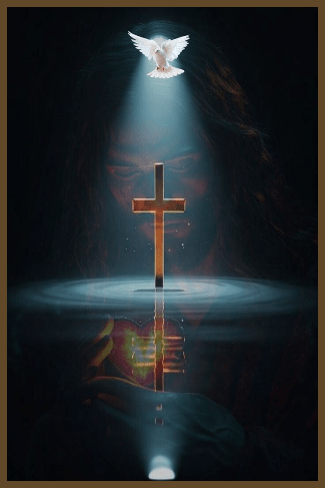
In the study of Soteriology, key concepts such as salvation, justification, and sanctification form the foundational beliefs of the Catholic Church. Catholics maintain that salvation is fundamentally a gift from God, which individuals receive not solely through faith, but also through a combination of good works and the sacraments—ceremonial acts believed to convey divine grace.
The Church upholds the doctrine of cooperative grace, which underscores the dynamic relationship between divine assistance and human free will in the pursuit of salvation. This perspective highlights that while God’s grace is essential and foundational to the process of salvation, individuals also bear a responsibility to actively respond to God’s invitation, engage in acts of charity, and participate in the sacraments.
Moreover, justification refers to the process by which a believer is made righteous in the sight of God, often viewed as occurring through faith expressed in love and works. Sanctification, on the other hand, is a continuous process of spiritual growth and moral refinement in which a person becomes progressively more aligned with the will of God, aided by the Holy Spirit. This comprehensive understanding showcases the Catholic belief in a participatory journey towards holiness and unity with God.
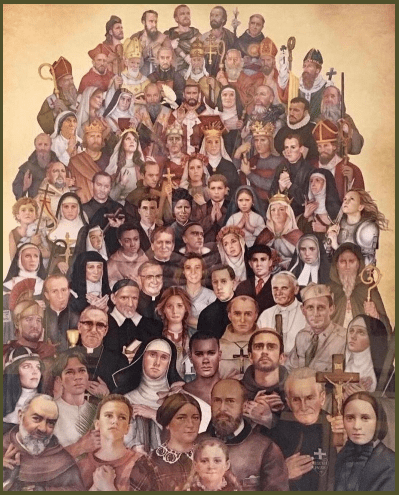
The Communion of Saints is a theological concept that signifies the deep and abiding unity of all believers in Christ, encompassing both those who are currently living and those who have passed away. This belief is integral to the Catholic faith, fostering a robust sense of connection and solidarity within the Church community. Catholics actively pray for one another, reflecting their shared commitment to mutual support and love. Moreover, there is a firm conviction among believers that the faithful departed maintain a spiritual presence and can intercede on behalf of the living. This means that saints, revered figures who have achieved holiness through their lives, can advocate in prayer for those still journeying on earth.
This interconnectedness not only enriches individual faith but also underscores the communal aspect of spirituality that binds the Church together across generations. It creates a rich tapestry of faith and devotion that transcends time and space, emphasizing that the Church is not merely a gathering of the living but a dynamic and inclusive body that includes those who have gone before us in faith. Through this communion, believers draw strength and inspiration from one another, cultivating a shared identity rooted in love and grace as they navigate their spiritual journeys.
Collectively, these themes encompass the essence of the Catholic faith, providing a comprehensive understanding of its doctrines, beliefs, and the shared journey of faith among its adherents, ensuring that the Church remains a living testament to Christ’s mission in the world.
M.C.
PAX VOBISCUM
 All About Catholicism