JUSTIFICATION & SANCTIFICATION

If then you were raised with Christ, seek those things which are above,
where Christ is, sitting at the right hand of God. Set your mind on things above,
not on things on the earth. For you died, and your life is hidden with Christ in God.
When Christ, who is our life, appears, then you also will appear with Him in glory.
Colossians 3,1-4
The passage from Colossians 3:1-4 presents a profound message about the Christian life and identity, particularly when viewed through the lens of Catholic doctrine. It articulates the transition from a life centered on earthly concerns to one focused on a higher spiritual existence in Christ. This shift underscores the belief in resurrection, as emphasized in Catholic teachings, which affirm that through Christ’s death and resurrection, believers are offered eternal life.
Furthermore, the passage encourages individuals to “set their minds on things that are above, not on things that are on earth,” urging a deeper commitment to spiritual values and a closer relationship with God. This call to focus on the divine rather than the temporal aligns with the sacraments and practices within Catholicism that nurture this spiritual connection and foster a sense of community among believers as they aspire to live out their faith in daily life.
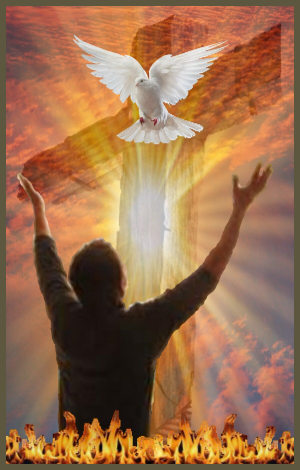
The phrase “If then you were raised with Christ” underscores a fundamental aspect of Catholic teaching on baptism. Within this sacrament, believers experience a profound spiritual union with Christ’s death and resurrection. This union signifies not only a cleansing from sin but also the emergence of a new identity as heirs in the family of God. Baptism is a pivotal moment when individuals are incorporated into the Church, which is understood as the Body of Christ. This transformation is not merely a passive experience; it requires believers to consciously embrace and embody this new identity in their daily lives. It calls for an ongoing commitment to live according to the values and teachings of Christ, fostering a spirit of service, love, and authenticity. By doing so, individuals reflect the transformative power of their baptism and actively contribute to the Church’s mission in the world.
The invitation to “seek those things which are above” serves as powerful encouragement for Catholics to focus on higher spiritual aspirations that enrich their faith. This call emphasizes the importance of embracing virtues such as love, kindness, humility, and integrity, and of striving to live in accordance with the Church’s teachings. Engaging in this transformative journey is not merely about aspiring to high ideals; it is about fostering a deep and personal relationship with God. It encourages believers to actively seek God’s presence in their daily lives and to joyfully fulfill His will through acts of service, compassion, and unwavering faith. Ultimately, this pursuit leads to a more profound sense of purpose and fulfillment, guiding individuals toward a life marked by spiritual growth and communal harmony.
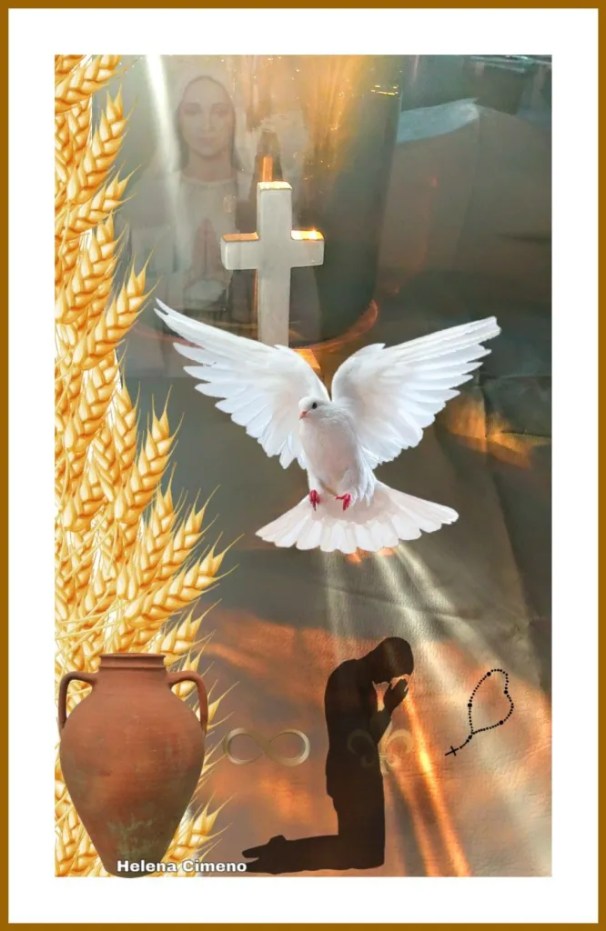
The exhortation to “set your mind on things above, not on things on the earth” serves as a profound reminder of the transient nature of earthly life and material possessions. This perspective encourages individuals to reflect on the fleeting quality of time and the impermanence of worldly achievements. In Catholicism, this teaching aligns closely with the principle of detachment from worldly distractions, emphasizing the importance of prioritizing spiritual over material wealth. Believers are invited to cultivate a deeper relationship with God and to express that love through their actions toward others, reinforcing the idea that faith should manifest in daily life.
This call to action encourages the nurturing of virtues such as charity, which involves selfless acts of kindness and generosity towards those in need, and humility, which fosters an accurate understanding of oneself in relation to God and others. By focusing on these higher ideals, believers can develop a life marked by purpose and fulfillment, grounded in love and service, rather than in the pursuit of temporary gains. Ultimately, such a mindset leads to a richer, more meaningful existence, grounded in the eternal truths of faith.
Additionally, the notion that “your life is hidden with Christ in God” underscores the profound mystery of faith. This phrase suggests an intimate, often unseen relationship with Jesus, in which believers find their true identity and purpose. The hidden aspect of this relationship is emblematic of the Catholic understanding of grace, which operates within the hearts of believers, nurturing their spiritual growth and transformation even when the effects are not immediately visible in their outward lives. This internal journey of faith invites individuals to cultivate a deeper connection with God, fostering a sense of peace and assurance that transcends external circumstances. In this light, the mystery of faith becomes a source of strength, allowing believers to navigate life’s challenges while remaining anchored in their spiritual truth.
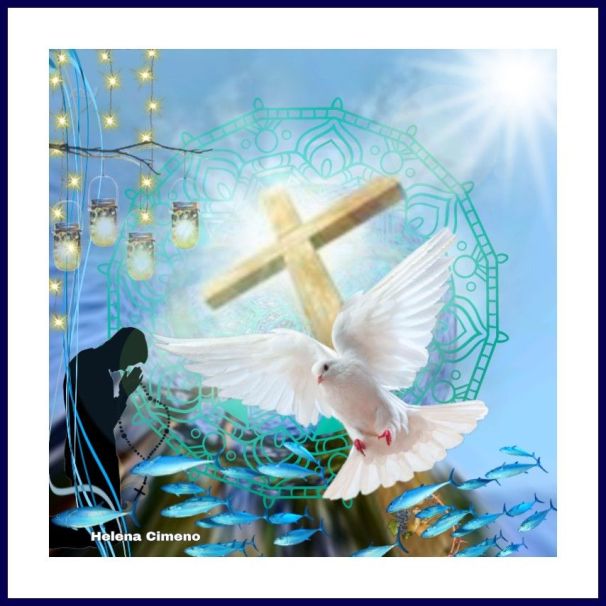
The final statement, “When Christ, who is our life, appears, then you also will appear with Him in glory,” encapsulates the profound Catholic hope in resurrection and eternal life. This declaration serves as a powerful reminder to the faithful that their ultimate destiny lies in a transformative union with Christ in heaven. It emphasizes the belief that upon Christ’s return, believers will be glorified alongside Him, reflecting the fullness of divine love and grace.
This hope not only inspires deep anticipation but also fuels a steadfast commitment to live in accordance with Gospel values. It encourages individuals to persevere through life’s trials and tribulations, knowing that their struggles are temporary compared with the eternal joy that awaits them. Such a perspective fosters resilience and a focus on virtues like compassion, humility, and charity, guiding believers to lead lives that resonate with Christ’s teachings and embody the promise of everlasting life.

In Colossians 3:1-17, Paul presents a powerful message about putting on the new self for baptized Christians. Only by relinquishing self-centeredness can Christ’s glory be fully revealed to individuals after their earthly existence. To escape God’s justice, it is necessary to shed the old self by collaborating with the Holy Spirit and utilizing His gifts of grace. This renunciation of the old self entails rejecting sinful behaviors and eliminating worldly influences, including “fornication, impurity, passion, and greed,” which is described as “idolatry.” The text urges believers to dismantle any idols that hinder their relationship with God by letting go of “anger, wrath, malice, slander, and abusive language.”
The concept of exchanging old habits for new virtues is emphasized by clothing oneself with “compassion, kindness, humility, meekness, and patience,” which are significant traits associated with belonging to a chosen community. Practicing “mutual support and forgiveness” is crucial, as is showing “patience and mercy” towards one another. This notion draws on the principle that, just as individuals have received forgiveness from the Lord, they, too, should extend forgiveness to others.
The text highlights love as the most important virtue to embrace. The peace of Christ is regarded as essential for guiding interpersonal relationships. Adopting this new self involves allowing the teachings of Christ to dwell within and influence one’s actions. Ultimately, expressing gratitude and praise to God the Father for the abundant gifts of grace is crucial, as these blessings reveal one’s alignment with Christ in both the spiritual and the earthly realms.
EARLY SACRED TRADITION
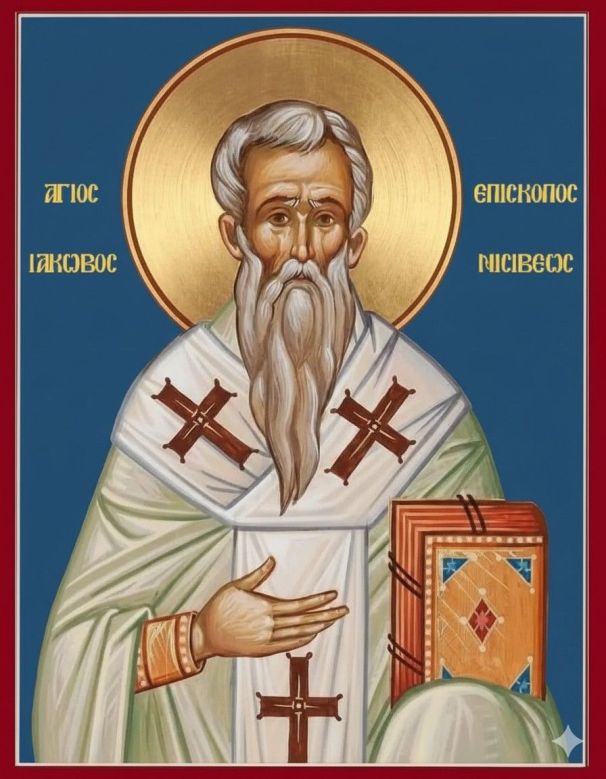
Irenaeus of Lyons, Against Heresies, 5:10,1 (A.D. 180-189)
“so likewise men, if they do truly progress by faith towards better things, and receive the Spirit of God, and bring forth the fruit thereof, shall be spiritual, as being planted in the paradise of God. But if they cast out the Spirit, and remain in their former condition, desirous of being of the flesh rather than of the Spirit, then it is very justly said with regard to men of this stamp, ‘That flesh and blood shall not inherit the kingdom of God;’ just as if any one were to say that the wild olive is not received into the paradise of God. Admirably therefore does the apostle exhibit our nature, and God’s universal appointment, in his discourse about flesh and blood and the wild olive. For as the good olive, if neglected for a certain time, if left to grow wild and to run to i wood, does itself become a wild olive; or again, if the wild olive be carefully tended and grafted, it naturally reverts to its former fruit-bearing condition: so men also, when they become careless, and bring forth for fruit the lusts of the flesh like woody produce, are rendered, by their own fault, unfruitful in righteousness…For when men sleep, the enemy sows the material of tares; and for this cause did the Lord command His disciples to be on the watch. And again, those persons who are not bringing forth the fruits of righteousness, and are, as it were, covered over and lost among brambles, if they use diligence, and receive the word of God as a graft, arrive at the pristine nature of man–that which was created after the image and likeness of God.”
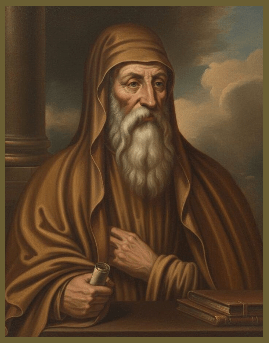
Origen of Alexandria, First Principles, I:I,3 (A.D. 230)
“And since many saints participate in the Holy Spirit, He cannot therefore be understood to be a body, which being divided into corporeal parts, is partaken of by each one of the saints; but He is manifestly a sanctifying power, in which all are said to have a share who have deserved to be sanctified by His grace.”
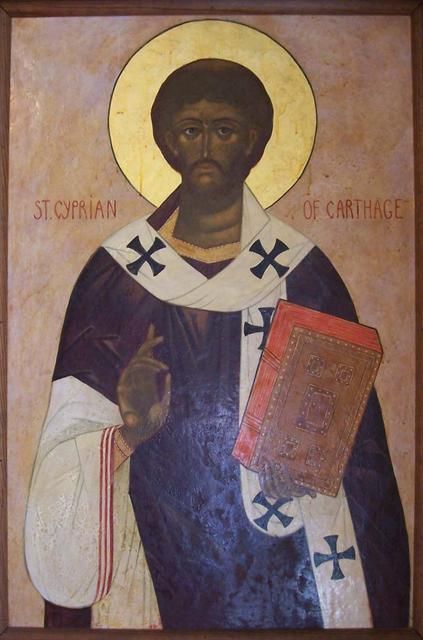
Cyprian of Carthage, On Works and Alms,14 (A.D. 254)
“You are mistaken, and are deceived, whosoever you are, that think yourself rich in this world. Listen to the voice of your Lord in the Apocalypse, rebuking men of your stamp with righteous reproaches: ‘Thou sayest,’ says He, ‘I am rich, and increased with goods, and have need of nothing; and knowest not that thou art wretched, and miserable, and poor, and blind, and naked. I counsel thee to buy of me gold tried in the fire, that thou mayest be rich; and white raiment, that thou mayest be clothed, and that the shame of thy nakedness may not appear in thee; and anoint thine eyes with eye-salve, that thou mayest see.’ You therefore, who are rich and wealthy, buy for yourself of Christ gold tried by fire; that you may be pure gold, with your filth burnt out as if by fire, if you are purged by almsgiving and righteous works. Buy for yourself white raiment, that you who had been naked according to Adam, and were before frightful and unseemly, may be clothed with the white garment of Christ. And you who are a wealthy and rich matron in Christ’s Church, anoint your eyes, not with the collyrium of the devil, but with Christ’s eye-salve, that you may be able to attain to see God, by deserving well of God, both by good works and character.”
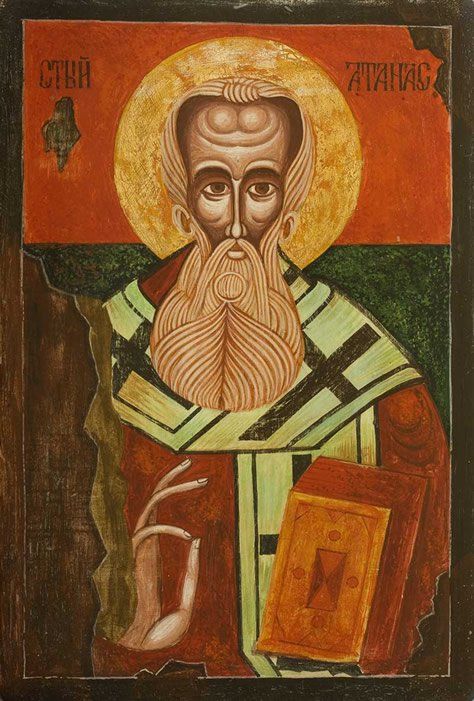
Athanasius, On the Defense of the Nicene Creed, 31 (A.D. 351)
“Moreover, when He teaches us to pray, He says not, ‘When ye pray, say, O God Unoriginated,’ but rather, ‘When ye pray, say, Our Father, which art in heavens.’ And it was His Will, that the Summary of our faith should have the same bearing. For He has bid us be baptized, not in the name of Unoriginate and Originate, not into the name of Uncreate and Creature, but into the name of Father, Son, and Holy Spirit, for with such an initiation we too are made sons verily, and using the name of the Father, we acknowledge from that name the Word in the Father. But if He wills that we should call His own Father our Father, we must not on that account measure ourselves with the Son according to nature, for it is because of the Son that the Father is so called by us; for since the Word bore our body and came to be in us, therefore by reason of the Word in us, is God called our Father. For the Spirit of the Word in us names through us His own Father as ours, which is the Apostle’s meaning when he says, ‘God hath sent forth the Spirit of His Son into your hearts, crying, Abba, Father.’”
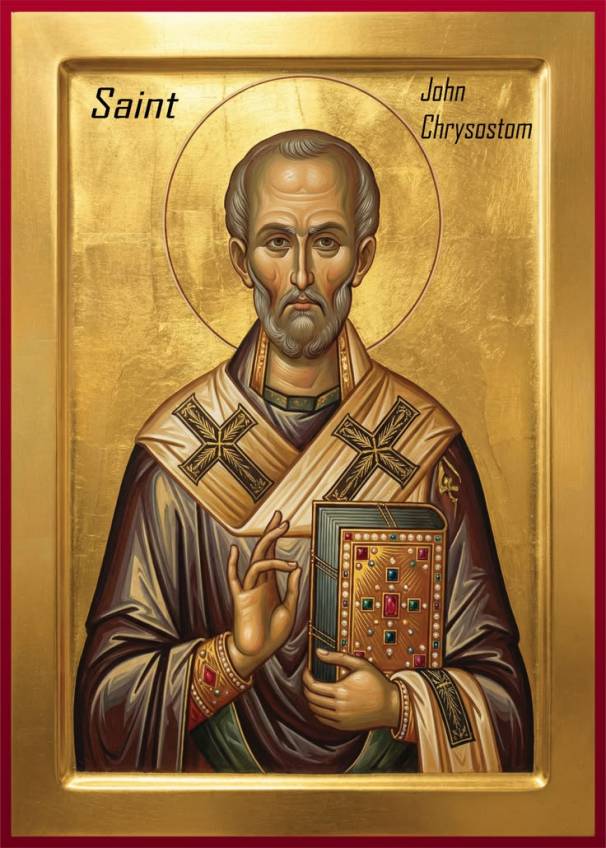
John Chrysostom, Romans, Homily VII:24,25 (A.D. 391)
“‘To declare His righteousness.’ What is declaring of righteousness? Like the declaring of His riches, not only for Him to be rich Himself, but also to make others rich, or of life, not only that He is Himself living, but also that He makes the dead to live; and of His power, not only that He is Himself powerful, but also that He makes the feeble powerful. So also is the declaring of His righteousness not only that He is Himself righteous, but that He doth also make them that are filled with the putrefying sores ‘asapentas’ of sin suddenly righteous.”
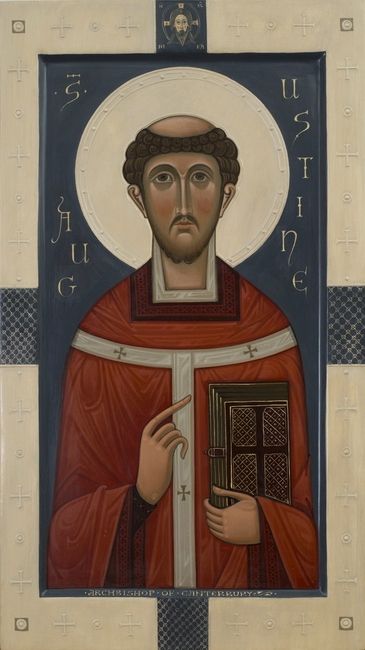
Augustine, On the Spirit and the Letter, 26:45 (A.D. 412)
“All His saints, also, imitate Christ in the pursuit of righteousness; whence the same apostle, whom we have already quoted, says: ‘Be ye imitators of me, as I am also of Christ.’ But besides this imitation, His grace works within us our illumination and justification, by that operation concerning which the same preacher of His [name] says: ‘Neither is he that planteth anything, nor he that watereth, but God that giveth the increase.’ For by this grace He engrafts into His body even baptized infants, who certainly have not yet become able to imitate any one. As therefore He, in whom all are made alive, besides offering Himself as an example of righteousness to those who imitate Him, gives also to those who believe on Him the hidden grace of His Spirit, which He secretly infuses even into infants…”
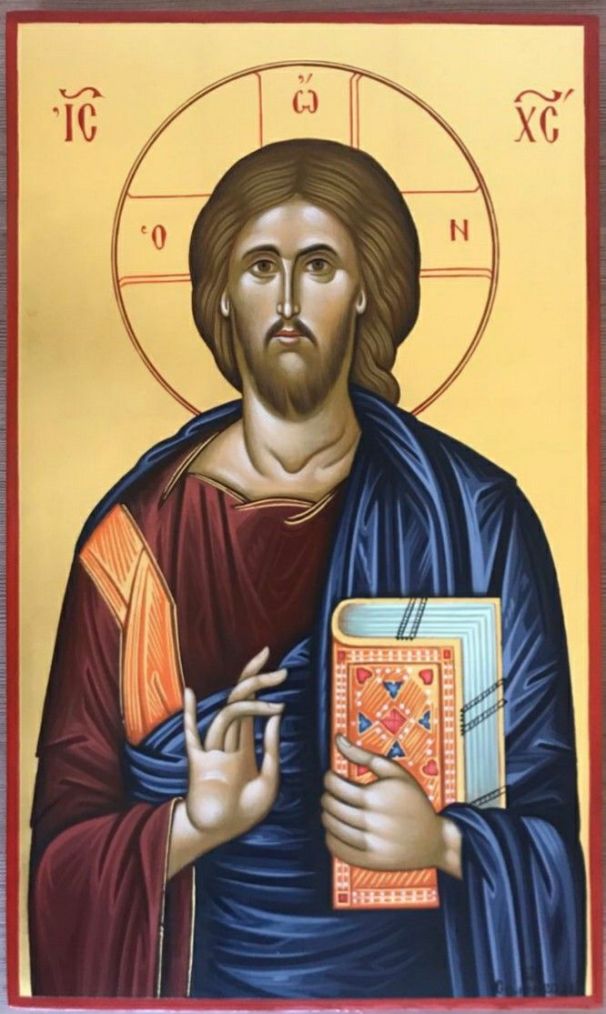
In the same way, let your light shine before others, so that they may see your good works
and give glory to your Father in heaven.
Matthew 5, 16
PAX VOBISCUM
 All About Catholicism