PERSEVERANCE IN GRACE
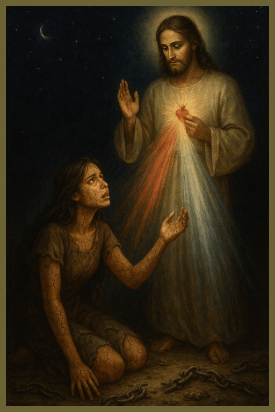
Besides this, you know what time it is, how it is now the moment for you to wake from sleep. For salvation is nearer to us now than when we became believers; the night is far gone, the day is near. Let us then lay aside the works of darkness and put on the armor of light; let us live honorably as in the day, not in reveling and drunkenness, not in debauchery and licentiousness, not in quarreling and jealousy. Instead, put on the Lord Jesus Christ, and make no provision for the flesh, to gratify its desires.
Romans 13:11-14
“Watch for your life’s sake. Let not your lamps be quenched, nor your loins unloosed; but be ye ready, for ye know not the hour in which our Lord cometh. But often shall ye come together, seeking the things which are befitting to your souls: for the whole time of your faith will not profit you, if ye be not made perfect in the last time.”
Didache, 16 (A.D. 90)
The passage from Romans 13:11-14 is a significant part of the Apostle Paul’s epistle to the Christians in Rome, composed in the mid-first century AD during a period of considerable upheaval for the early church. The early Christian community faced a myriad of challenges, including persecution from both Jewish authorities and Roman officials, as well as the pervasive temptation to adopt the surrounding Roman culture, which often glorified hedonism, sexual immorality, and moral laxity. In this context, Paul’s message was especially poignant and urgent. He urged believers to remain vigilant, emphasizing the need to live out their faith authentically and resist societal pressures that could lead them away from their spiritual commitment. By encouraging them to “put on the armor of light” and live decently as in the daytime, Paul aimed to fortify their resolve and inspire a lifestyle that reflected their beliefs, promoting unity and integrity within the community as they navigated the trials of their time.
At the time of Paul’s writing, Rome stood as a vibrant epicenter of culture and political power, characterized by its rich tapestry of diverse beliefs and practices. Within this grand metropolis, the ideals of Christianity frequently came into direct conflict with the entrenched pagan customs that permeated daily life. The moral values prevalent in Roman society were heavily influenced by a hedonistic lifestyle that embraced indulgence in a wide array of pleasures, including excessive drinking, extravagant banquets, and lively parties that often lasted late into the night. In this context, Paul delivered stern warnings against such behaviors, emphasizing the need for self-restraint and moral integrity amid widespread societal permissiveness.
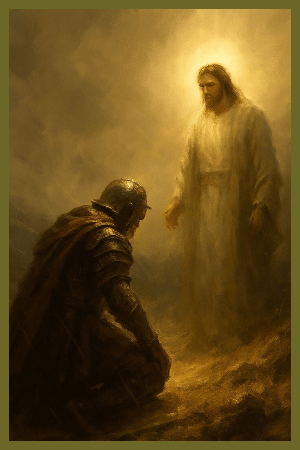
Paul emphasizes the urgency of salvation, asserting that it is now closer than when the believers first accepted their faith. This statement encapsulates the foundational beliefs of early Christian eschatology, which centers on the expectation of Christ’s imminent return and the subsequent establishment of God’s kingdom on Earth. The early church was characterized by a palpable sense of anticipation regarding Christ’s return, which significantly influenced their behavior and community life. This conviction encouraged believers to live according to God’s teachings, cultivating lives marked by moral integrity, communal responsibility, and fervent devotion. They understood their time as a critical moment in divine history, prompting them to prioritize spiritual growth and outreach as they awaited the fulfillment of God’s promises.
The exhortations to “lay aside the works of darkness” and “put on the armor of light” succinctly express a recurring theme in Paul’s letters: he consistently encourages his followers to cultivate moral integrity and live lives that reflect their faith. In the Greco-Roman world, characterized by widespread debauchery, idol worship, and moral laxity, Paul’s call to reject such behaviors was particularly countercultural. His admonition not only guided individuals in their personal conduct but also aimed to enhance the collective integrity of the Christian community. By emphasizing a lifestyle of righteousness, Paul sought to strengthen the bonds among believers, fostering a sense of holiness and purpose in their shared faith, which stood in stark contrast to the prevailing societal norms of their time.
The Catholic Church emphasizes the importance of moral living by drawing upon fundamental virtues such as temperance, charity, and integrity. Temperance, in particular, emphasizes self-control and moderation, guiding individuals to avoid excesses such as drunkenness. Additionally, the Church teaches that charity involves not only love for one’s neighbors but also a commitment to serving the less fortunate. Integrity is about living a life that aligns with moral principles and truthfulness. Central to these teachings is the belief that avoiding negative behaviors, such as quarrels and disputes, contributes to a harmonious community and reflects a deeper commitment to one’s faith and moral responsibilities. This holistic approach underscores the Church’s mission to foster a moral society grounded in the teachings of Christ.
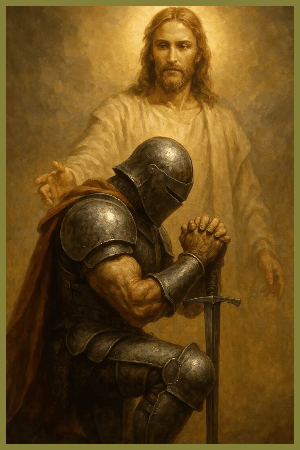
The phrase “put on the Lord Jesus Christ” reflects a profound aspect of Catholic identity and spirituality. This concept transcends mere intellectual belief; it invites a deliberate, transformative change in one’s life and actions to reflect the teachings and virtues of Jesus Christ. Such a transformation involves cultivating a deep relationship with Christ and embodying His love, compassion, and moral integrity in everyday life. This idea is central to Catholic spirituality, emphasizing the importance of living out one’s faith through acts of service, forgiveness, and community engagement, ultimately reflecting Christ’s character to the world. In this way, Catholics are called to be visible manifestations of their faith, striving to integrate their beliefs into their daily actions and interactions.
Within Catholicism, there is a strong emphasis on the communal aspect of faith, which is integral to the believer’s experience. This passage encourages members of the Church to actively support one another in their spiritual journeys, fostering unity and shared purpose. It highlights the importance of communal responsibility in upholding Christian values, calling believers to mutual encouragement, accountability, and service. This interconnectedness not only strengthens individual faith but also enriches the broader community, reflecting the belief that faith is not solely a personal endeavor but a collective mission to live out the teachings of Christ in their daily interactions with one another.
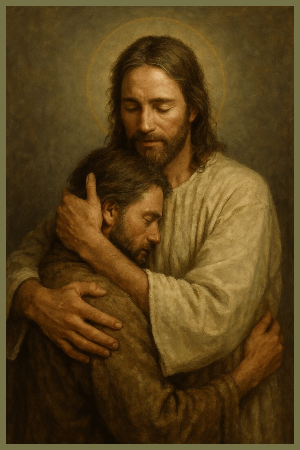
The passage complements Catholic teachings on grace and the sacraments, particularly emphasizing the sacrament of Baptism, which holds a central place in the life of a Catholic believer. During Baptism, individuals are initiated into the Christian faith and are called to renounce sin and embrace a life of righteousness, reflecting the transformative power of divine grace.
The exhortation to “make no provision for the flesh” serves as a poignant reminder of the continuous battle against temptation and sin that every believer faces. This phrase underscores the importance of vigilance and self-discipline in the Christian journey, highlighting that overcoming personal weaknesses is not solely a human endeavor, but rather a process that requires the ongoing assistance of God’s grace. Through prayer, participation in the sacraments, and a genuine commitment to living according to Christ’s teachings, Catholics strive to cultivate a deeper relationship with God, which strengthens their resolve to live in the light of Christ.
Overall, Romans 13:11-14 emphasizes the importance of integrating faith into daily life, reminding early Christians to align their actions with their beliefs. This passage serves as a call to cultivate a lifestyle that mirrors one’s faith. The message remains relevant in Catholic teaching today, promoting values such as integrity, moral responsibility, and active engagement within the Christian community.
EARLY SACRED TRADITION
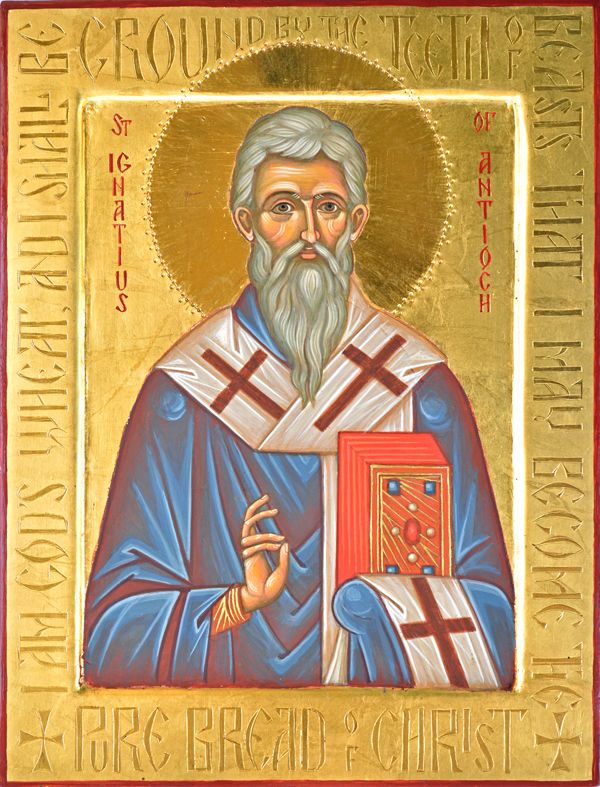
Ignatius of Antioch, To the Ephesians, 10 ( A.D. 110)
“And pray ye without ceasing in behalf of other men; for there is hope of the repentance,
that they may attain to God. For ‘cannot he that falls arise again, and he may attain to God.’”
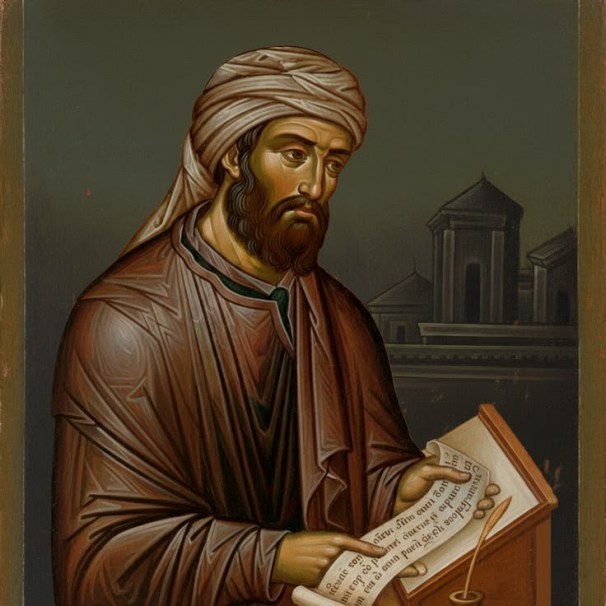
Tertullian, On Repentance, 6 (A.D. 204)
“But some think as if God were under a necessity of bestowing even on the unworthy, what He has engaged (to give); and they turn His liberality into slavery. But if it is of necessity that God grants us the symbol of death, then He does so unwillingly. But who permits a gift to be permanently retained which he has granted unwillingly? For do not many afterward fall out of (grace)? Is not this gift taken away from many?”
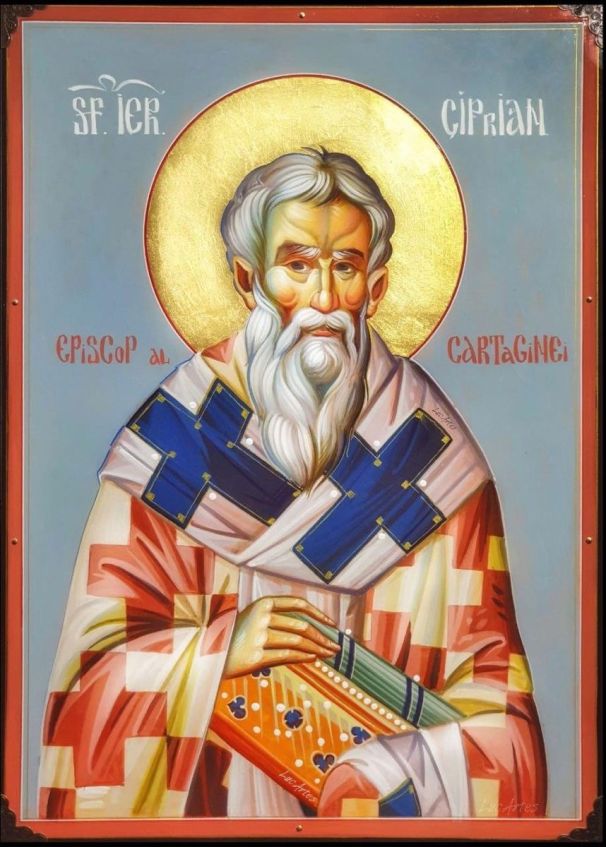
Cyprian of Carthage, Unity of the Church, 21 (A.D. 251)
“Confession is the beginning of glory, not the full desert of the crown; nor does it perfect our praise, but it initiates our dignity; and since it is written, ‘He that endureth to the end, the same shall be saved,’ whatever has been before the end is a step by which we ascend to the summit of salvation, not a terminus wherein the full result of the ascent is already gained.”
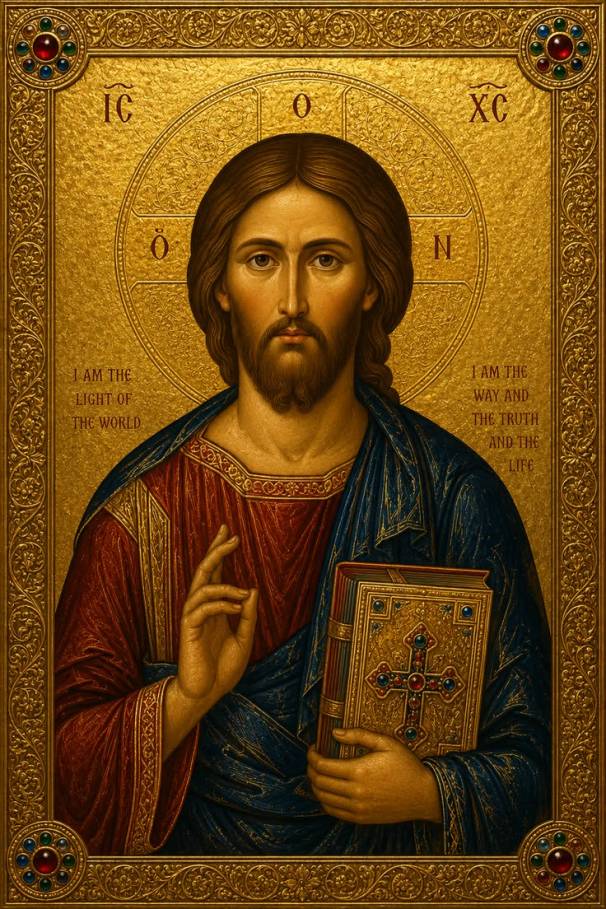
But the one who endures to the end will be saved.
Matthew 24, 13
PAX VOBISCUM

